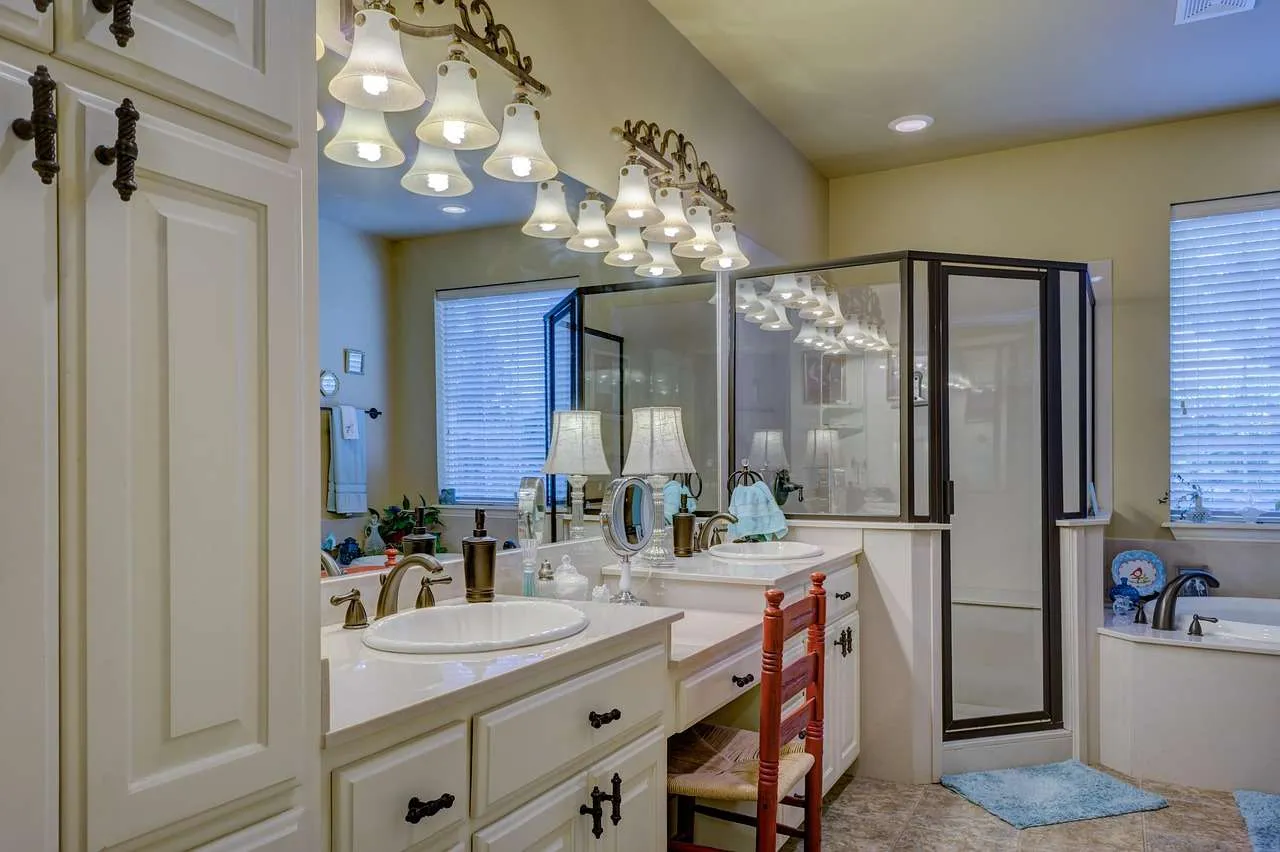
Designing a small bathroom can feel like solving a puzzle: you must balance form, function, and flow without sacrificing style. With thoughtful planning, compact spaces can feel open, organized, and even luxurious. This guide blends practical ideas with design principles to deliver small bathroom ideas that improve storage, lighting, and overall mood while staying within budget. The tips below reflect timeless design strategies recognized by pros in space planning, interior design, and bathroom remodeling. Use them as a checklist, then adapt to your room's footprint and plumbing constraints.
Smart layouts for maximum floor space
Begin with a clear layout based on the actual footprint. If possible, position the door to swing away from the sink, or replace it with a pocket door to reclaim precious inches. Favor wall-hung fixtures such as a toilet and vanity to create sightlines that feel more expansive. A corner sink or a compact vanity with integrated storage can free up floor space while keeping essential functions accessible. When space is extremely tight, consider a curbless shower with a glass door or walk-in enclosure to visually expand the room. Small bathrooms benefit from consistent line weights and minimal visual clutter to avoid a cramped feel.
Storage solutions that really work
Storage is the backbone of small bathroom design. Combine vertical storage with recessed niches in the shower, a shallow medicine cabinet, and a vanity that hides clutter with drawers or roll-out organizers. Consider a tall, slim cabinet beside the vanity or over the toilet to take advantage of unused wall height. Use organizers inside drawers and baskets on open shelves. A mirrored medicine cabinet doubles as a reflective surface and a storage hub, helping the room feel lighter and more open.
Color, finishes, and materials
Light colors and reflective finishes instantly enlarge a small space. Choose a pale base palette—soft whites, warm beiges, or cool greys—paired with glossy tiles or glass surfaces. Large mirrors amplify natural and artificial light; install a frameless, edge-to-edge mirror if possible. Use glass shower enclosures or subway tile with a glossy glaze to bounce light. For texture, select a subtle tile pattern or a vertical accent stripe rather than heavy surfaces, which can overwhelm a compact room.
Lighting and atmosphere
Layered lighting makes a small bathroom feel bigger and more usable. Start with a moisture-rated ceiling fixture for overall illumination, add task lighting around the mirror, and consider LED strip lighting in niches or under vanity edges. Daylight-simulating bulbs help create a brighter, more inviting feel during the day. If ceiling height is generous, a small pendant can add personality, but ensure it does not crowd the space. Proper ventilation is essential to prevent moisture-related problems that can undermine the feel of space.
Fixtures and fittings: choose compact, smart options
When choosing fixtures, prioritize compact depth and efficient function. A slimline or wall-hung vanity can be as little as 12 inches deep, paired with a small sink. A dual-flush or pressure-assisted toilet saves space and water, while a corner shower or curbless entry improves flow. Consider a recessed shower niche for toiletries and a frameless glass panel to maintain a clean line. Durable, moisture-resistant materials such as porcelain, ceramic, and quartz countertops withstand daily use while keeping the look fresh for years.
Budget, maintenance, and professional tips
Small bathroom remodels can deliver high impact at relatively modest budgets if you prioritize structural changes, lighting, and storage first. Plan for essential updates (ventilation, waterproofing, plumbing). Choose durable, low-maintenance materials that resist mold and moisture. For electrical work or significant plumbing changes, consult licensed professionals to ensure safety and code compliance. Request sketches or three-dimensional renderings from designers to validate scale before purchasing fixtures. Regular cleaning and a quick check of seals and grouts will prolong the appearance and performance of your small bathroom ideas.
Comparison of space-saving ideas
| Idea | Best For | Pros | Cons | Approx. Cost |
|---|---|---|---|---|
| Walk-in shower with glass doors | Small baths with emphasis on openness | Feels spacious; easy cleaning | Potential water splash; fixed barrier | Moderate |
| Slimline vanity with wall-hung sink | Limited floor space | Maximizes footprint; storage | Lower countertop area | Low to Moderate |
| Pocket door | Entrances with tight clearance | Free up hallway space; seamless look | Installation complexity | Moderate |
| Recessed niches and large mirror | Moisture-prone zones | Functional storage; brighter room | Requires finish coordination | Low to Moderate |
Beyond these ideas, personalize your small bathroom with finishes and accessories that reflect your style. Always measure carefully before ordering fixtures, and verify that door swings, plumbing lines, and electrical outlets align with your chosen layout. A well-executed plan combines durability, ease of maintenance, and visual calm, delivering a bathroom that feels larger than its actual size.
Conclusion
Summary: The key ideas for small bathroom ideas center on smart layouts, storage-focused design, light colors, and layered lighting. Choosing compact fixtures, maximized vertical storage, and minimal, high-quality materials helps to create a functional space that feels larger and more comfortable. A phased approach, starting with layout and ventilation, followed by storage and finishes, can deliver a stylish, durable result within budget. Seek professional guidance when needed to ensure code compliance and long-term reliability.