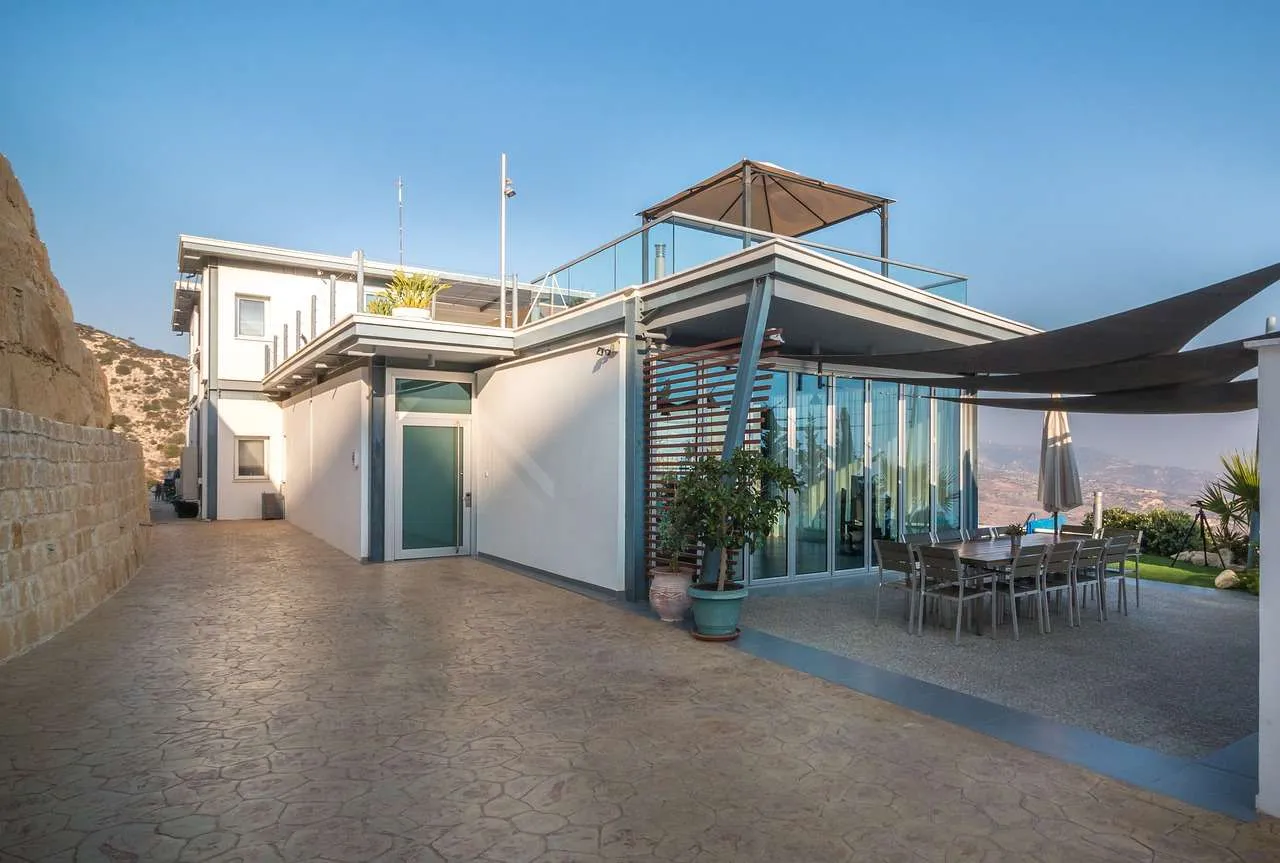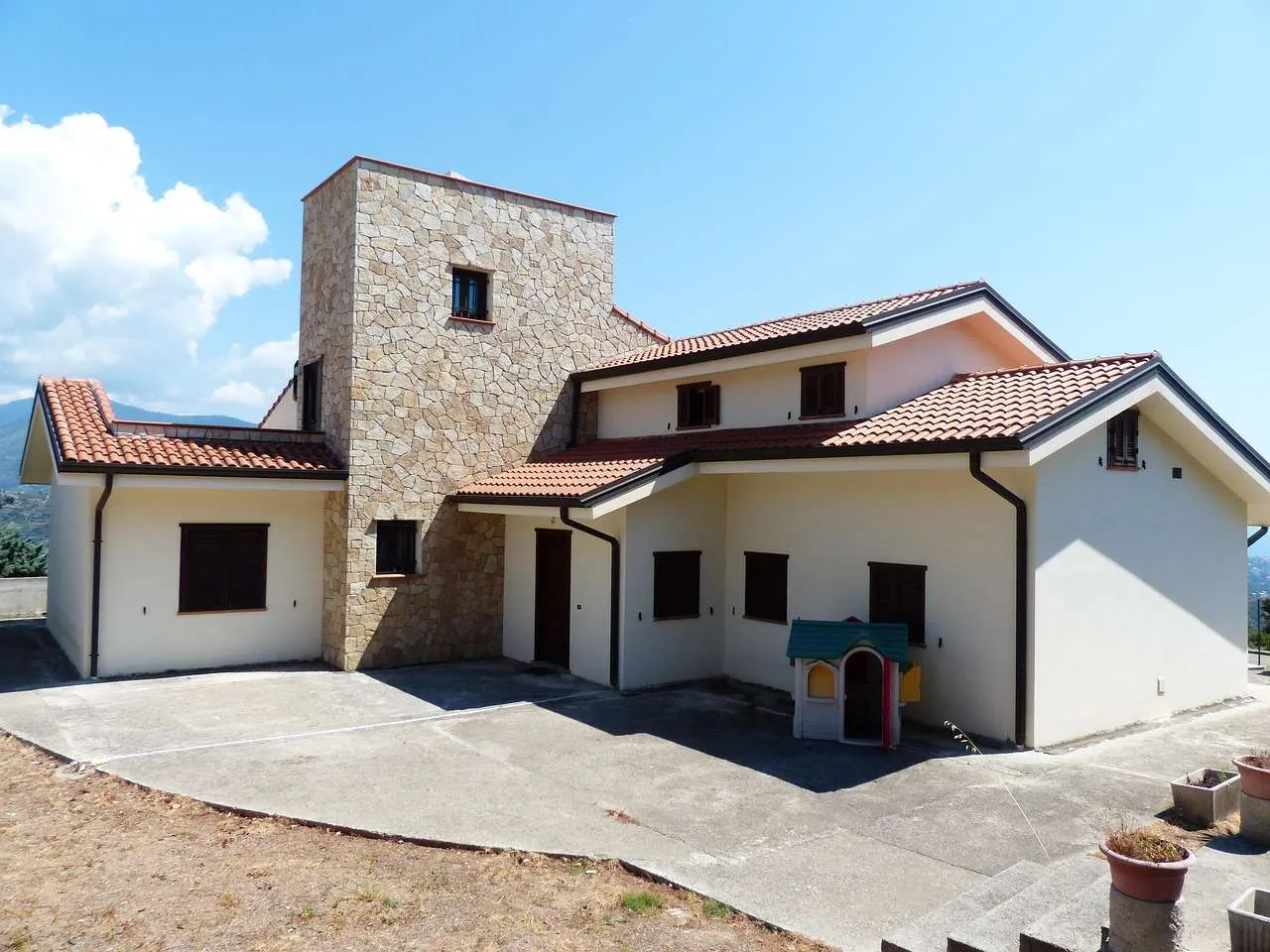
As a seasoned roofing professional with over ten years of experience, I see TPO roofing as among the most popular single-ply options for flat or low-slope roofs. TPO stands for thermoplastic polyolefin, a flexible, heat-welded membrane designed to seal flat roofs against moisture and weather. This guide covers what TPO is, its benefits and drawbacks, installation considerations, and how to choose the right system for your building.
What is TPO Roofing?
TPO is produced as a white or light-colored membrane that reflects sunlight, helping reduce cooling loads. It is typically installed as a single-ply sheet that is heat-welded at seams for a watertight seal. Manufactured by multiple suppliers, TPO materials can vary in thickness and warranty terms; when selecting products, focus on reputable brands, warranty coverage, and installation quality.
Benefits of TPO Roofing
- Excellent reflectivity for energy efficiency; reduces cooling costs in hot climates
- Strong seam integrity through heat welding and compatible adhesives
- Cost effective compared with many other modern roofing options
- Lightweight and flexible; suitable for retrofit projects and complex roof shapes
- Relatively quick installation when compared with multi-ply systems
Disadvantages and Considerations
Not all TPO products perform equally. Differences among manufacturers can impact long-term durability, seam strength, and UV aging. Some lower quality formulations may degrade faster in high heat or intense sun. Also consider climate; certain environments may demand higher installation standards and regular inspections for punctures or membrane wrinkles.
Installation and Maintenance
Hire a contractor with proven TPO experience and warranties. A proper installation includes surface preparation, detailed seam welding, quality flashing, and correct insulation. Regular maintenance is relatively simple: keep debris off the membrane, trim encroaching branches, and inspect seams for punctures or loose edges after storms. Expect typical service life to range from 15 to 30 years depending on product quality, climate, and maintenance.
Comparison: TPO vs Other Roofing Types
| Feature | TPO | PVC | EPDM |
|---|---|---|---|
| Material type | Thermoplastic polyolefin single-ply | Rigid vinyl thermoplastic | Synthetic rubber |
| Energy reflectivity | High | Very high | Moderate |
| Durability | Good; seam welded | Excellent; heat resistant | Good; puncture resistant |
| Typical installed cost per sq ft | 5–8 | 6–9 | 3–7 |
| Maintenance | Low to moderate | Low | Low |
Costs and Lifespan
Prices vary by region, roof complexity, and labor rates. In general, TPO installation ranges from roughly 5 to 8 per square foot on commercial or flat residential roofs, including materials and labor. Lifespan is typically 15 to 30 years, with higher-quality membranes and properly performed installations delivering longer performance and better warranties. Consider long-term cost of ownership, including energy savings from reflective surfaces and potential maintenance expenses.
Choosing a TPO Roofing Contractor
Because membrane performance hinges on both product quality and installation, select a contractor who specializes in single-ply systems. Ask for current warranties, product data sheets, and references. Verify certifications from roofing manufacturers and request project galleries. Ask about heat-welding equipment, inspection protocols, and aftercare services such as warranty claim support. A transparent contract should specify material brands, membrane thickness, warranty terms, and site-cleanup expectations.
Frequently Asked Questions
Q: How long does a TPO roof last? A: With proper installation and maintenance, 15 to 30 years is common, depending on climate and product quality.
Q: Is TPO environmentally friendly? A: TPO membranes are typically recyclable and offer energy efficiency benefits due to high reflectivity, which can reduce building cooling loads.
Q: Can TPO be repaired? A: Yes, punctures and seam issues can be repaired; small repairs are more manageable when performed by trained technicians using compatible adhesives and heat welding.
Conclusion
Conclusion, TPO roofing offers energy efficiency, cost-effectiveness, and strong seam integrity for flat and low-slope roofs. However, the quality of the membrane and the skill of the installer are critical to long-term performance. When evaluating options, prioritize reputable brands, robust warranties, and local references. A well-chosen TPO system, installed by experienced professionals, provides reliable protection, energy savings, and a favorable total cost of ownership for many commercial and residential applications.